Protecting Your Social Security Number
Many people wonder if it is safe in certain situations to give out their Social Security number. We sure are asked for it a lot, but do you have to give it? When is it necessary? Here is some perspective:

One of the best rules you can live by is this: just because a person asks for your Social Security number, it doesn’t mean you have to give it. But also remember there are situations where you will not be provided various services unless you get it out.
You might feel that you have to, though, and freely give it. This could be a huge mistake, though. There are many times when you want to, though, and you should, but you have to do it with discretion.
Here’s the thing. Some of the people and organizations that ask for your Social Security number really have no business asking. Even when they ask for the last four digits of your SSN, don’t give that out, either, unless you know that the company already has it on file.
Really, when the IRS is involved, or other government agencies, or it is something financial that’s credit driven, such as getting a loan, you likely need to give out your Social Security number. In other cases, like applying for a job, you can tell a business you are not comfortable giving your number unless you are hired, and then they would need it for tax purposes.
I give out my Social Security number when required, with a little scrutiny, but in the end, I’m not worried about identity theft due to the fact that I have ID theft protection and a credit freeze which in most cases makes my Social Security number useless to a thief.
Tips to Protect Your Social Security Number
Here are some tips you can use to protect your Social Security number:
- Don’t put your SSN on any written application or document. If your application is denied because of this, ask them if it’s really necessary, otherwise, give them your SSN.
- Ask your bank if they absolutely require your SSN to verify your identity. There are other options they can use. But the Patriot Act might require it.
- Consider extending your ID theft protection to include your children’s SSNs. Teach them to never give it out.
- If you are at the doctor’s office, find out if you can use another number, such as the account number for your insurance.
- Don’t send your SSN via email. If someone wants it, call them and give it to them verbally. Even then, don’t give the number out unless you know without a doubt that it’s legitimate.
- You should get a statement from the Social Security Administration concerning your account each year. If your income is too high, someone else is probably using your number.
- Don’t keep your Social Security card in your wallet. Instead, memorize the number and keep the card at home.
- Don’t ever use your SSN as a password for anything.
- If, for any reason, your SSN is in your PC, make sure the document is encrypted or password-protected.
- Before you throw away any paperwork that has your SSN on it, black it out, and then shred the documents.
Really, all you have to do is have some common sense when it comes to your Social Security number. For instance, if you are applying for credit, it makes sense that they would need this. If you are getting a gym membership, unless they are granting a credit, they don’t need it.
Written by Robert Siciliano, CEO of Credit Parent, Head of Training & Security Awareness Expert at Protect Now, #1 Best Selling Amazon author, Media Personality & Architect of CSI Protection Certification.
 On top of this, any of these devices can be lost, misplaced, or stolen. Since its extremely likely that your staff are using these devices for their work, think about all of the information that could be on there about your company…and it happens because Joe in accounting left his cell phone on the counter at a local coffee shop, and a hacker picked it up.
 One of the easiest ways that hackers can get victims is to trick people into clicking links in emails or opening attachments. Something as simple as this can easily lead to viruses and other security issues, like ransomware, and no one is ready to deal with this.
 This might sound like I’m bragging, but I’m not, people tell me ALL THE TIME “Your kids are amazing!” And then they follow up with, “My brothers kids grunt one-word answers when you ask them a question, they don’t look you in the eye, they don’t “talk” and they are always seemingly preoccupied and want to be somewhere else, whereas your kids are present, socially engaged and they actually look you in the eyes and have full blown conversations!”
 It’s believed that familiar fraud is not often reported, likely because victims of these crimes think that police won’t take them seriously, or that it will negatively affect their relationship with their family. There is also the fact that, in many cases, these crimes go undetected because people just can’t believe a member of their family would do something like this.
 It doesn’t matter where you get the card, here are two ways that scammers use them to make money:
 According to Equifax, more than 147 million people were affected by the breach, and most of us had or have no idea what we can do about it, or how it might affect us in the future. On top of this, when we look at statistics, we can see that almost 27 billion…not million, but billion…additional records were exposed due to
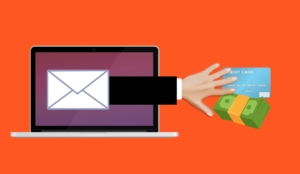 However, there is also the possibility that someone could pose as you and get your Informed Delivery. This means that they could get your mail before you do.
 Check Your Passwords – Every online account you have should have a different password. Never use the same password for more than one account. You can easily fix this issue by using a password manager. Also, don’t use specific words/phrases or keyboard sequences when creating passwords. A password manager can even generate passwords for you.