Quick and Dirty Disaster Prep Guide
How prepared are you for a disaster? Most of us are not prepared, at all, yet two-thirds of us live in an area where we are at a moderate to very high risk of experiencing a natural disaster. Here are a few things you should do, today, to start preparing for a “just in case” situation:
 Be Aware
Think about your home and where you live. What disasters are likely to occur? Fire, of course, could happen to any of us, and statistics show that there is a 25% chance that you will experience a major fire in your lifetime. Fires are not the only thing to consider, though. Flooding, winter storms, earthquakes, tornados, and volcanoes are all things that can affect us in the US.
Examine Your Home
In the event of a disaster, do you know where the gas, water, and electric shut-offs are? Are your CO2 and smoke detectors working correctly? Do they have fresh batteries? Do you have fire extinguishers available? Where can you get water? Do you have flashlights and batteries? A first aid kit? A battery-operated radio to get information? All of these things are essential in a disaster situation.
Prepare and Practice
Talk to your family about emergency preparedness. Consider practicing what to do, too, such as in the case of a fire. You might even want to talk to your neighbors about it. Do you have an elderly neighbor or someone who might have extra difficulties during a disaster? Talk to them, too, and help them make a plan.
Other Quick and Dirty Tips for Disaster
Here are some other quick tips for disaster preparedness:
- Choose a trusted distant contact. It is often easier to make a long-distance call than a local one in a disaster.
- Consider buying a landline phone if you don’t have one. This gives you two options for calls.
- Get a waterproof container for documents. Consider laminating these documents or storing them in heavy duty sandwich bags.
Create an Emergency Supply Kit
Finally, create an emergency supply kit including the following:
- Water – About a gallon per person, per day, and rotate it every six months
- Food – Enough for each person for three days. Try to find food that doesn’t need to be
- First Aid Kit – Basic first aid supplies, and any necessary prescription drugs.
- Batteries – Have extra batteries available. Generic brands are usually okay, but alkaline batteries tend to be better than non-alkaline.
- Knife – Having a multi-tool knife, like a Swiss Army Knife, can be indispensable.
ROBERT SICILIANO CSP, is a #1 Best Selling Amazon author, CEO of CreditParent.com, the architect of the CSI Protection certification; a Cyber Social and Identity Protection security awareness training program.
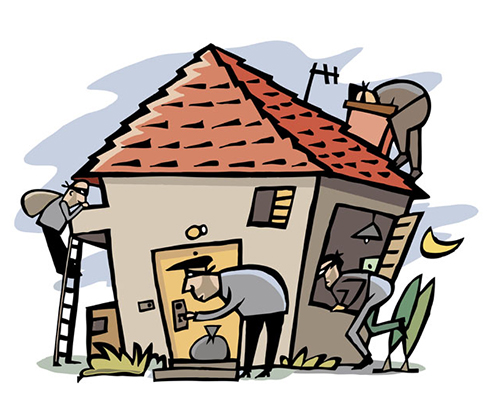
 When most people think about their home’s security, they only think of a couple of things, such as fake cameras. Though these are nice to have, they don’t fully protect you. A fake camera isn’t going to stop a burglar from kicking in the door. Speaking of the door, the only thing that is separating you and your belongings from a thief is ½ inch piece of pine molding. This isn’t enough. A 12-year-old boy could kick that in, in fact. Instead, it’s best to reinforce your door:
 Most homeowners take extra steps around the holiday season to protect their homes. For instance, they often take precautions with Christmas lights or candles as to not start a fire. However, most don’t take any extra security measures to prevent a home robbery. Yes, fire protection is very important, but your home is much more likely to be robbed than to go up in flames. So, here are 15 tips that you can use during this upcoming holiday season:
 The above elements would make it almost impossible for an MMA fighter to kick the door in. Yes, you should be thinking in terms of kick-proofing your door. By the time we’re 18, we’ve probably witnessed hundreds of door kick-ins on TV shows and in movies. No matter how many unrealistic things we’ve seen on film, one thing stands out as being very true to life: the ease of kicking in a door.
 Safety Tips
 Chrome OS
 New Apartment
 Before Leaving