How to Protect You Frequent Flier Miles NOW
Social Security numbers and credit card numbers are not the only types of data that hackers are after. Now, they are looking at frequent flyer accounts, and they are stealing reward miles, and then selling them online.
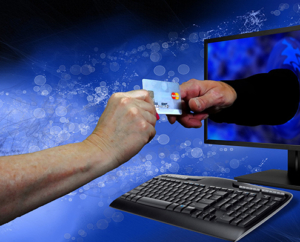 How do Hackers Steal Frequent Flyer Miles?
As with other types of ID theft, hackers use info that they have illegally obtained to access frequent flyer accounts. With more data breaches happening than ever before, hundreds of millions of records are exposed, and thus, hackers have great access to the personal info they need to get into these accounts.
What do Hackers Do with Frequent Flyer Miles?
It is hard for hackers to use these miles on their own because often, the travel has to be booked in the name of the owner. However, it is very easy to transfer these miles to other accounts or to use the miles to purchase other rewards. Usually, no ID is needed for a transfer like this. This is also difficult to track because hackers use the dark web and VPNs to remain anonymous.
Hackers also sell these miles, and they catch a pretty penny. For airlines like British Airways, Virgin Atlantic, and Delta, they can get hundreds, or even thousands of dollars for their work.
In addition to transferring these miles from one account to another, hackers are also selling the account’s login information. Once someone buys this, they can now get into the owner’s account and do what they want with the miles.
Protecting Your Frequent Flyer Miles
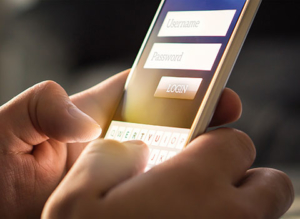
There are some things that you can do to protect your frequent flyer miles. You should check your frequent flyer accounts regularly using your airlines mobile app. Change all your airline passwords and never re-use passwords and set up a different password for each account.
Other things that you can do include the following:
- Protect your personal information by making sure every online account has a unique and difficult to guess password.
- Use a dark web scan. This will show you if any personal information is out on the dark web.
- If you do find that your miles have been stolen, it also is probable that your personal information has been compromised, too. Monitor your credit report and check it often for anything that looks odd. This is a big sign of an issue.
Robert Siciliano personal security and identity theft expert and speaker is the author of Identity Theft Privacy: Security Protection and Fraud Prevention: Your Guide to Protecting Yourself from Identity Theft and Computer Fraud. See him knock’em dead in this Security Awareness Training video.
 The effort wasn’t easy, but this guy is now off the streets. The process started with taking a look at DNA that was collected from the crime scene, which happened many years ago. Investigators didn’t have a match. However, recently, they started comparing DNA with genetic profiles that have been collected from ancestry sties. These are companies that collect DNA from people to tell them more about their family backgrounds.
 They Start with a Google Search
 One day he saw that a young woman, Rebecca Santhiago, was asking for a friend request on his Facebook page.
 Creating an Emergency Fund
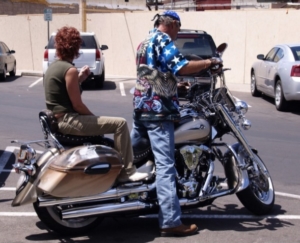 Brandi Hicks, 17, and her high school friend, Liz Reiser, exited a video store at 9:30 pm, where they were approached by Matthew Vaca, a creepy acting stranger.
 Riess Looked Like her Victim
  Morna Brennen did this when she was 22. She and a few friends went to a bar and stayed there late.
 You know the drill. You go to a website and it says “Log In With Facebook.” or Google. Usually, it just takes a couple of clicks and no logging in with other usernames or passwords. However, when you do this, Facebook essentially becomes your online identity. This means that anyone who knows these credentials have access to your preferences, posts, and most importantly, your personal information. What’s more is that you might be unknowingly giving permission to a third party to access your profile, view your online activities, and get information about your friends.
 Unusual Background Noise