The First Step to Secure Your Data
Your personal information and data are literally everywhere for criminals to target, and there isn’t much you can do to keep it from spreading. You use your email credentials on countless websites, you use your credit card number with countless vendors, and, believe it or not, your Social Security number is shared rapidly immediately after you’re born.

It’s almost impossible to give out your personal information nowadays. However, criminals know this, and they lurk around the same places that your information is used. You need to take action to secure your information so you are less of a target. Let me show you one simple step you can take today that will create one layer of security and improve your defenses.
There is one specific action you can take to secure your information, and after you do it, you’ll be much less likely to be targeted because criminals tend to take the path of least resistance. That said, if you DON’T do this action today, you ARE the path of least resistance.
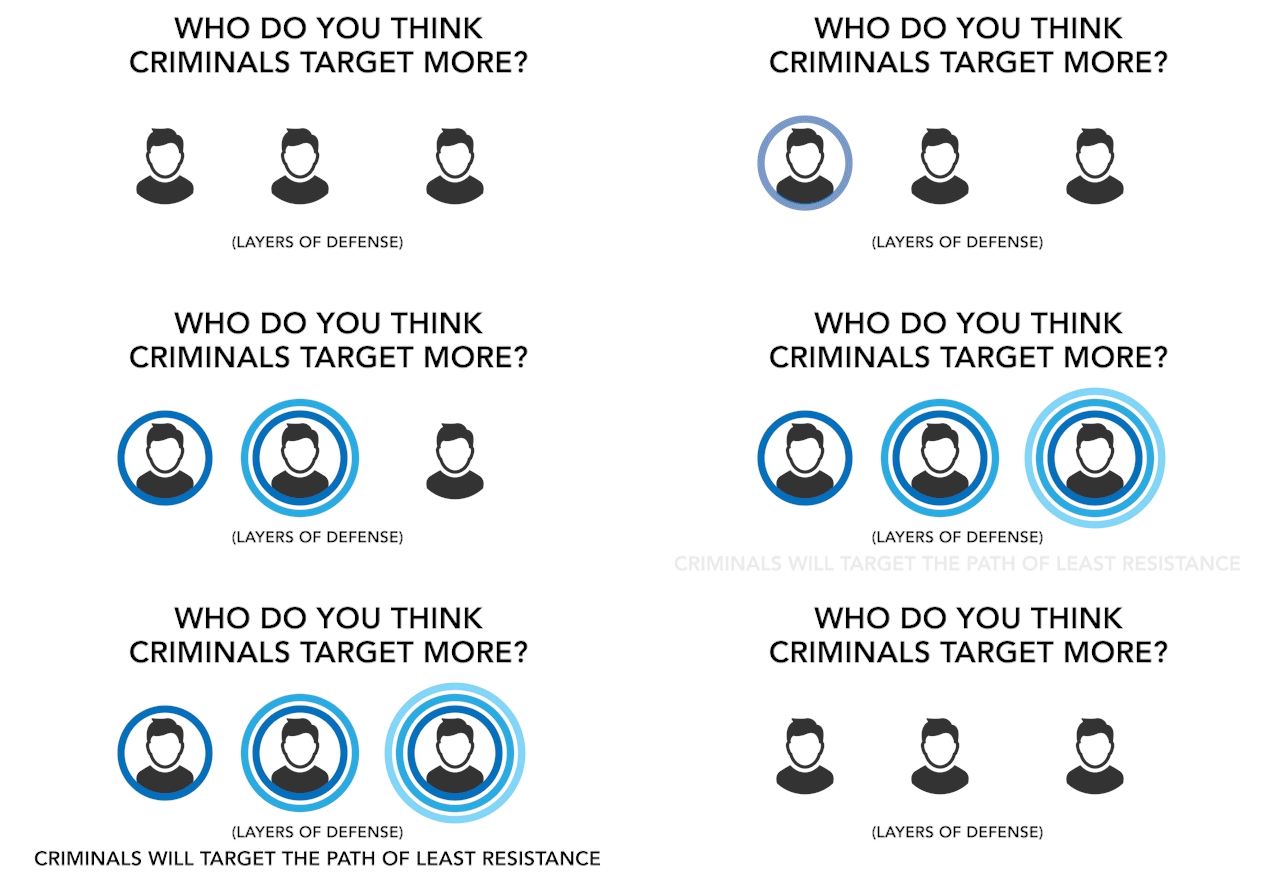
All you have to do is set up a credit freeze. There are four major credit bureaus in the United States, and you need to get a credit freeze with them. Just use your preferred search engine and look for Experian credit freeze, Equifax credit freeze, TransUnion credit freeze, and Innovis credit freeze. You should freeze your credit with all four, but you should still review your annual credit reports. More importantly, you should dispute discrepancies with the appropriate bureau AND the lender. Getting a credit freeze won’t gum up your credit score or make it so you can’t use credit. You are able to “thaw” the frozen credit as needed and then freeze it again. You can literally do this in a single day. Then you’ll want to put more layers of defense in place to become an even harder target than the other guy.
A credit freeze will secure your information, but setting up multiple layers of defenses is really what will make you a hard target. Criminals are constantly probing defenses, and even while technology advances, crimes against your data are usually ahead of the curve. You don’t need to know everything about security, but you do need to take on the responsibility of protecting yourself. I’ve created a free guide that will make you a pseudo expert on your own security, and if you follow it’s simple steps, you will have more layers of defense than the average person. If you want to create even more layers of defenses, bring this guide to my next webinar, and I will walk you through each step so you can rest assured that you are creating a smart, secure, safer “me.”
 But before you freak out, you probably don’t even have a contactless card. Very few cards deployed in the USA are contactless, so that sleeve you use doesn’t protect you from anything. Now if you are overseas or even in Canada, then look at your card and if there is a WiFi looking logo on there, you have contactless.
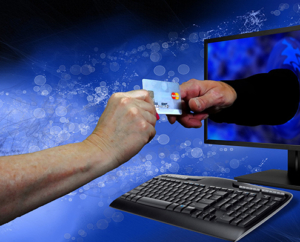 How do Hackers Steal Frequent Flyer Miles?
 Back in the day, we had one choice when we wanted to purchase something, and that was cold, hard cash. However, a few decades ago, people began using credit cards for everyday purchases instead of for only big ticket items, such as refrigerators. Though this was certainly convenient, it also opened the door for the bad guys to not only access your credit card information, they could use this information to make purchases and even to learn more about you and steal your identity. Over the past couple of years, once again, we in the U.S. are changing things up when it comes to how we use credit and debit cards. Our new cards, the ‘
 Ten million credit cards were stolen by hackers, called Fin6, who may end up scoring $400 million. The cards were stolen from retail and hospitality businesses. If each card sells for $21 on secret carder shops, you can see how the hackers will rake in hundreds of millions of dollars.
 For years now, wallets have been on the market that you can stuff everything into, save for the kitchen sink. This doesn’t mean you must carry a